1. Start With Your Product and Its Application
The first step is to determine what the bottle will contain and how it will be used.
Different products have different packaging requirements. A premium whisky bottle, for example, may prioritize appearance, weight and closure design, while a beverage bottle may place greater emphasis on filling-line compatibility, handling and transportation efficiency.
Glass Bottles for Spirits and Liquor
Glass bottles are widely used for whisky, vodka, gin, rum, brandy, tequila, mezcal and other distilled spirits
For spirits brands, the bottle often plays an important role in brand positioning.
A premium bottle may use:
●A heavier glass weight ●A distinctive silhouette ●Embossed or debossed branding ●Frosted surfaces ●Colored glass ●Spray coating ●Printing ●Electroplating ●Premium stoppers
The bottle and closure should also be considered together.
For example, a T-top stopper, cork closure, Zamak stopper and aluminum cap may require different neck finishes and dimensional specifications.
If your product is a premium spirit, choosing the bottle based only on appearance can create problems later. The bottle must also be compatible with the intended closure and filling process.
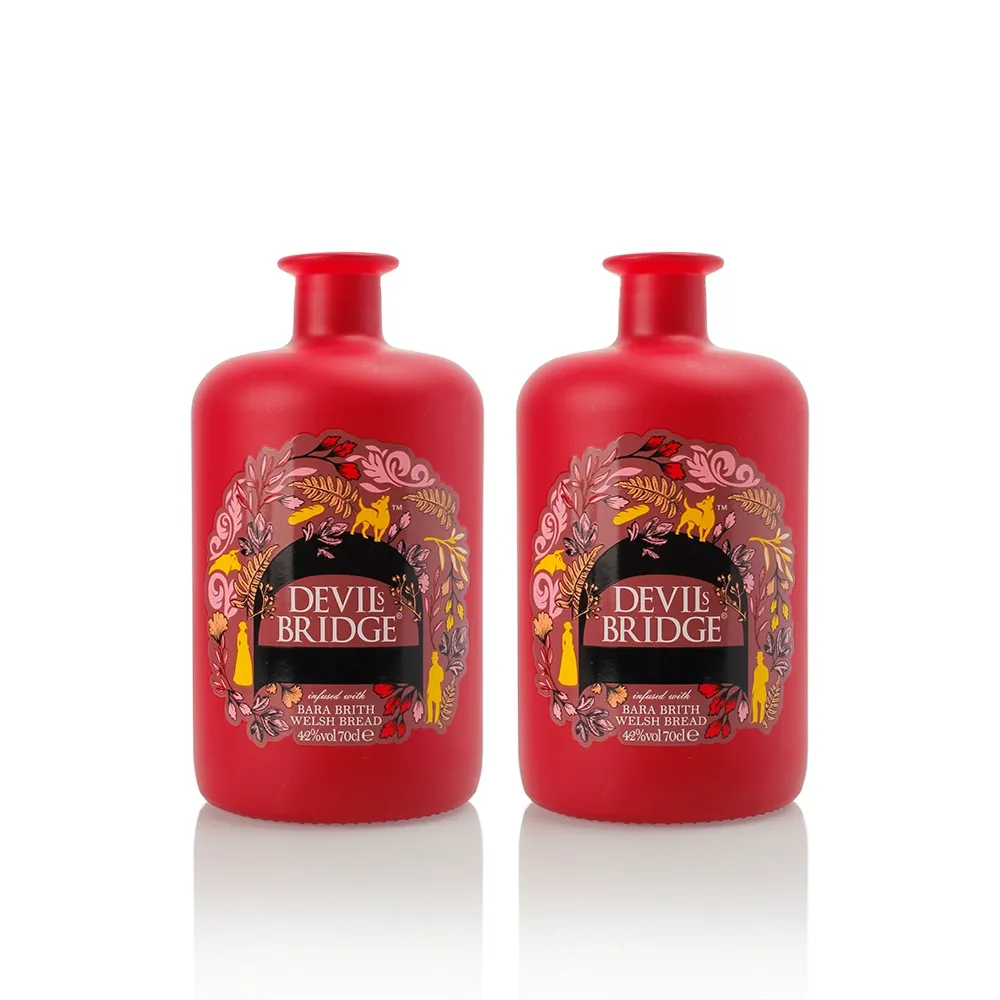
2. Choose the Right Bottle Capacity
Capacity is one of the first specifications a buyer should confirm.
Common commercial glass bottle capacities include:
- Bottle Capacity---- Common Applications
- 50–100 ml ---- Samples, mini spirits, promotional products
- 200–375 ml ---- Spirits, beverages and specialty products
- 500 ml ---- Spirits, beverages, food and edible oils
- 700–750 ml ---- Whisky, vodka, gin and other spirits
- 1000 ml ---- Spirits, beverages and food products
However, nominal capacity is not necessarily the same as the bottle's total internal capacity.
A manufacturer may need to consider overflow capacity, filling level and headspace when developing or selecting a bottle.
Why Does Headspace Matter?
The space between the liquid level and the closure can affect product stability, filling requirements, closure performance, transportation and product presentation
For this reason, buyers should not simply tell a supplier:
"I need a 750ml bottle."
It is better to clarify the required capacity and intended fill level.
For example:
"We need a 750ml bottle with a target fill volume of 750ml."
The manufacturer can then confirm the appropriate bottle dimensions and overflow capacity.
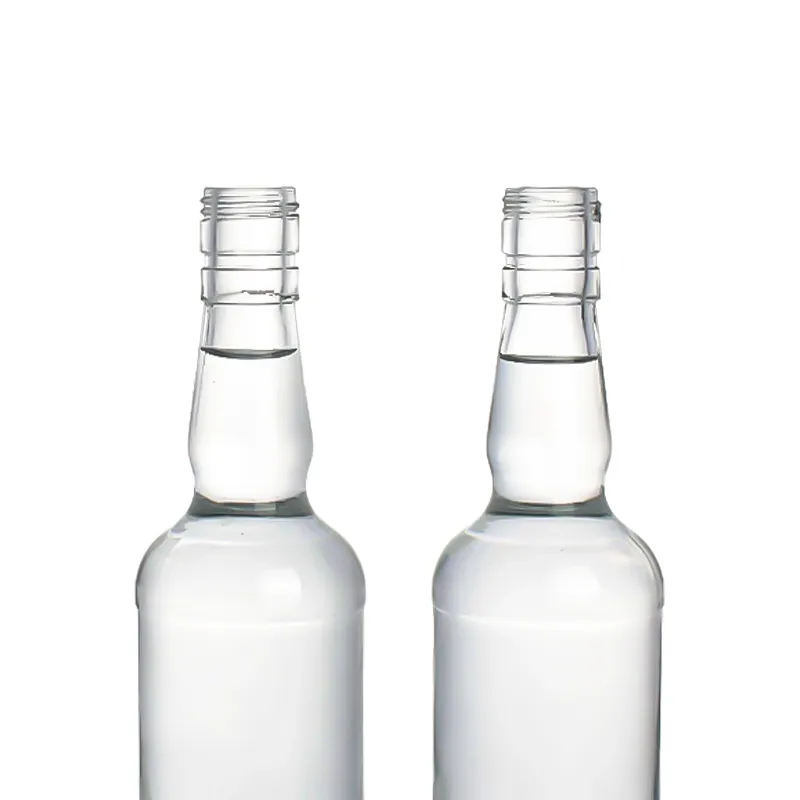
3. Choose the Right Bottle Shape and Dimensions
Bottle shape is one of the most visible parts of packaging, but it also has practical consequences.
When evaluating a bottle design, consider:
●Height ●Diameter ●Shoulder shape ●Base diameter ●Neck height ●Neck diameter ●Wall thickness ●Bottle weight ●Label area ●Closure dimensions
Stock Glass Bottles
Stock bottles use existing molds and standardized designs.
They are often suitable when:
●You need a faster production schedule
●Your order quantity is relatively limited
●You want to reduce tooling costs
●A standard bottle meets your branding requirements
Custom Glass Bottles
Custom bottles are designed around a specific brand or product.
They can provide more opportunities for:
●Unique bottle shapes ●Embossed logos ●Custom proportions
●Custom shoulders and bases ●Brand-specific details ●Custom decorative effects
Custom bottles are particularly useful when packaging differentiation is an important part of the product strategy.
However, customization normally requires additional development work and may require a new mold.
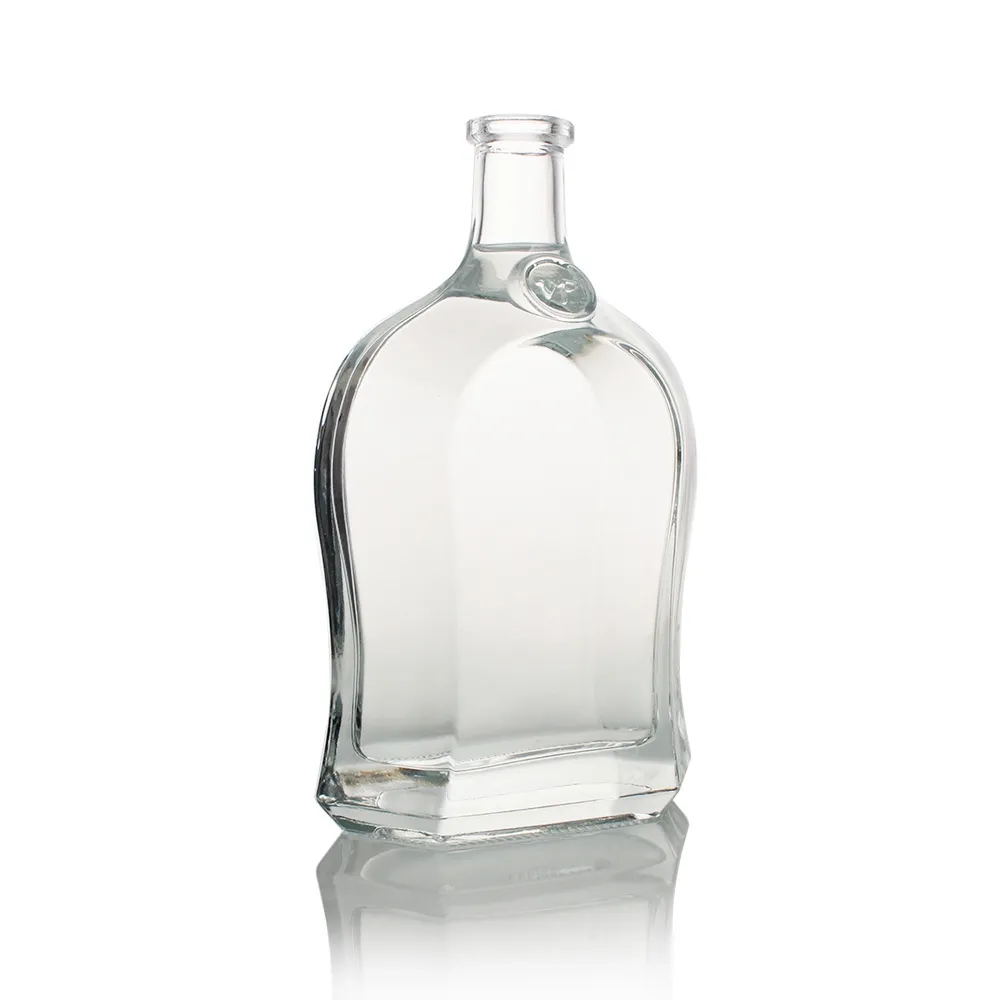
4. Consider Glass Weight and Wall Thickness
Glass weight is an important factor that is sometimes overlooked during the design stage.
A heavier bottle is not automatically a better bottle.
The appropriate weight depends on:
●Product type ●Bottle design ●Required strength ●Transportation conditions ●Filling process ●Brand positioning ●Target cost ●Sustainability objectives
Lightweight vs. Heavyweight Glass Bottles
For a premium spirits brand, a heavyweight bottle may create a more substantial feel.
For a high-volume beverage product, reducing unnecessary glass weight may help improve transportation efficiency and material efficiency.
The goal should therefore be to select the appropriate glass weight, rather than simply choosing the heaviest bottle available.
5. Select the Correct Neck Finish
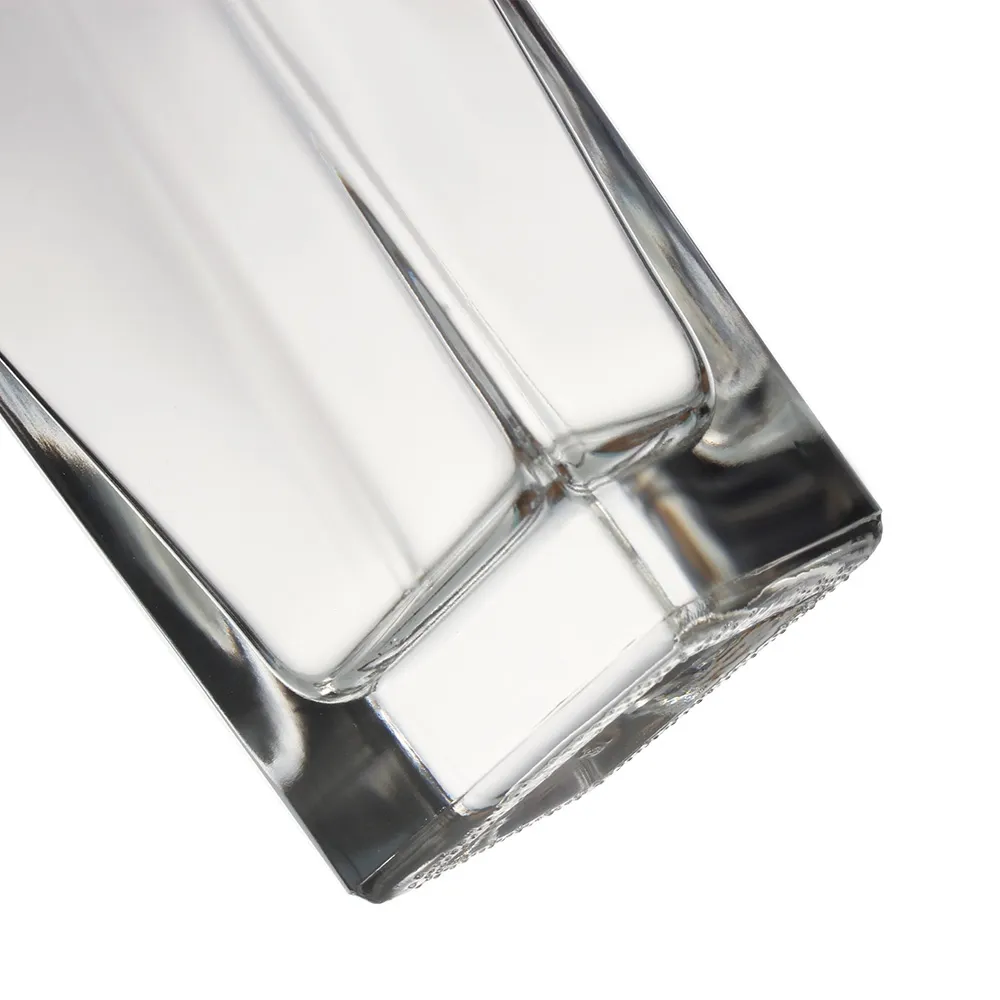
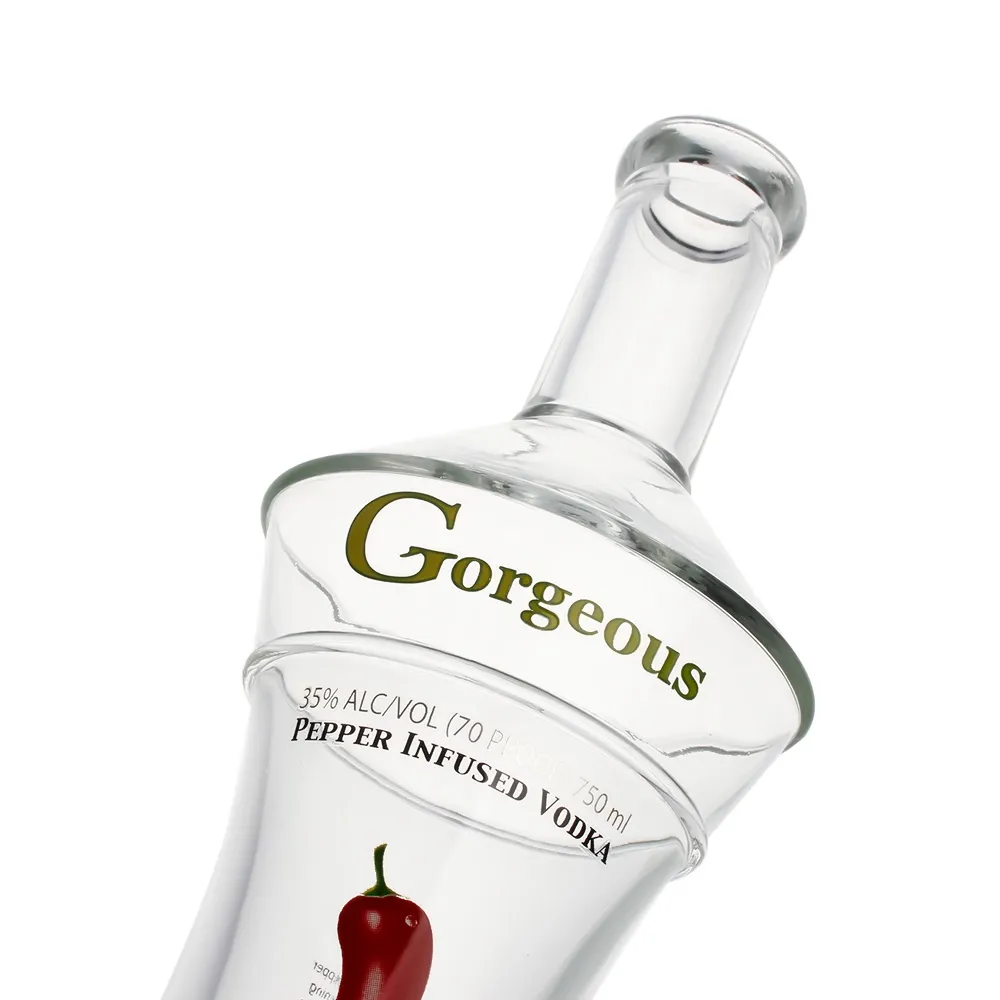
The bottle neck is one of the most technically important parts of the packaging system.
A bottle can have an excellent shape and appearance but still be unsuitable if the neck finish does not match the intended closure.
Depending on the application, buyers may consider:
●Cork finish ●T-top compatible neck ●Screw neck ●ROPP neck ●Custom neck finishes
The neck specification should be confirmed before ordering the bottle.
Important dimensions may include:
●Neck diameter ●Thread specifications ●Neck height ●Finish dimensions ●Tolerance requirements
6. Choose the Right Bottle Closure
The bottle and closure should be treated as one packaging system.
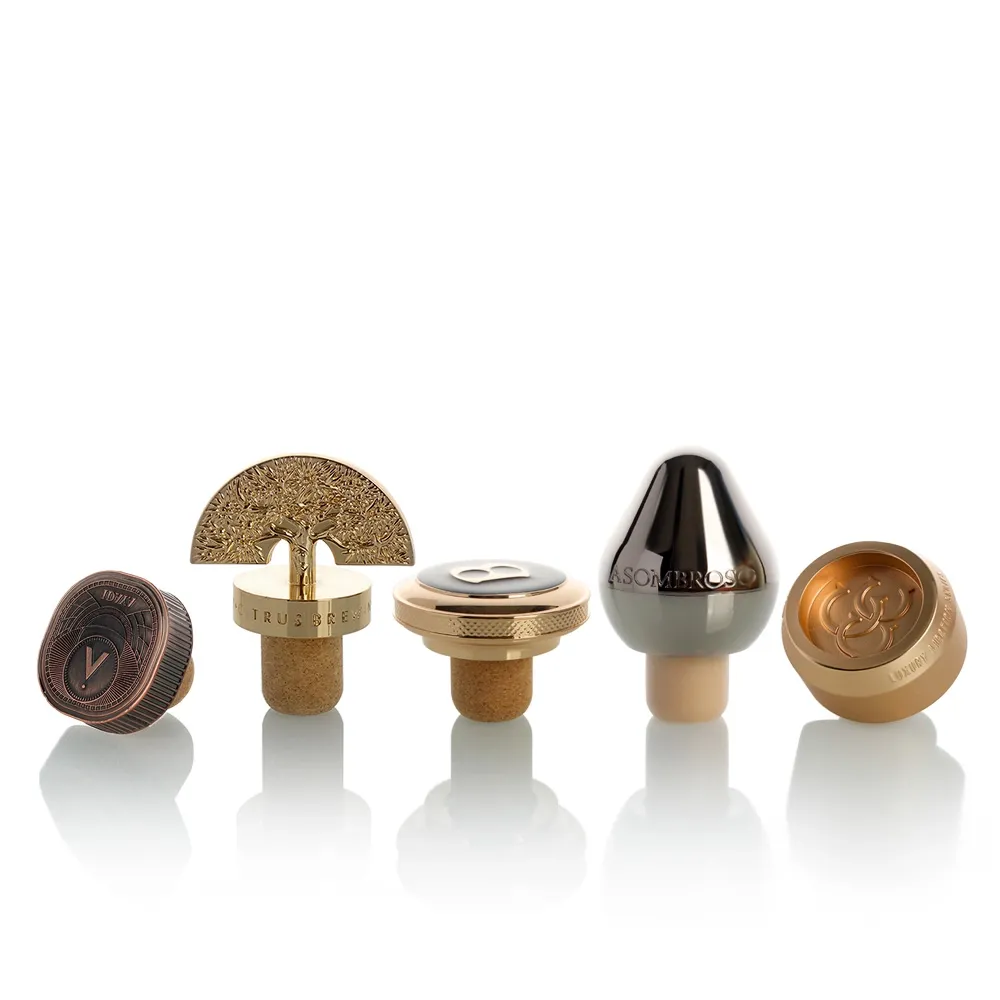
Common closure options include:
T-Top Stoppers
T-top stoppers are widely associated with premium spirits and specialty beverages.
They can combine a decorative top, cork or synthetic sealing material, wood, zamak or other decorative components.
Cork Stoppers
Cork closures are commonly used for spirits and products where a traditional or premium appearance is desired.
Zamak Stoppers
Zamak components can provide a high-end appearance and can be customized through different finishes and decorative treatments.
Screw Caps
Screw caps are commonly used where convenient opening and resealing are important.
Aluminum Caps and ROPP Caps
Aluminum closures can be used for a range of beverage, spirits and food applications.
The most important point is:
Do not select the closure after the bottle has already been finalized.
Bottle neck dimensions and closure specifications need to be compatible.
A mismatch can lead to leakage, poor sealing, diffucult opening, closure instability and filling-line problem
For this reason, bottle and closure suppliers should confirm compatibility before mass production.
7. Consider Decoration and Surface Treatment
The bottle itself is only one part of the visual design.
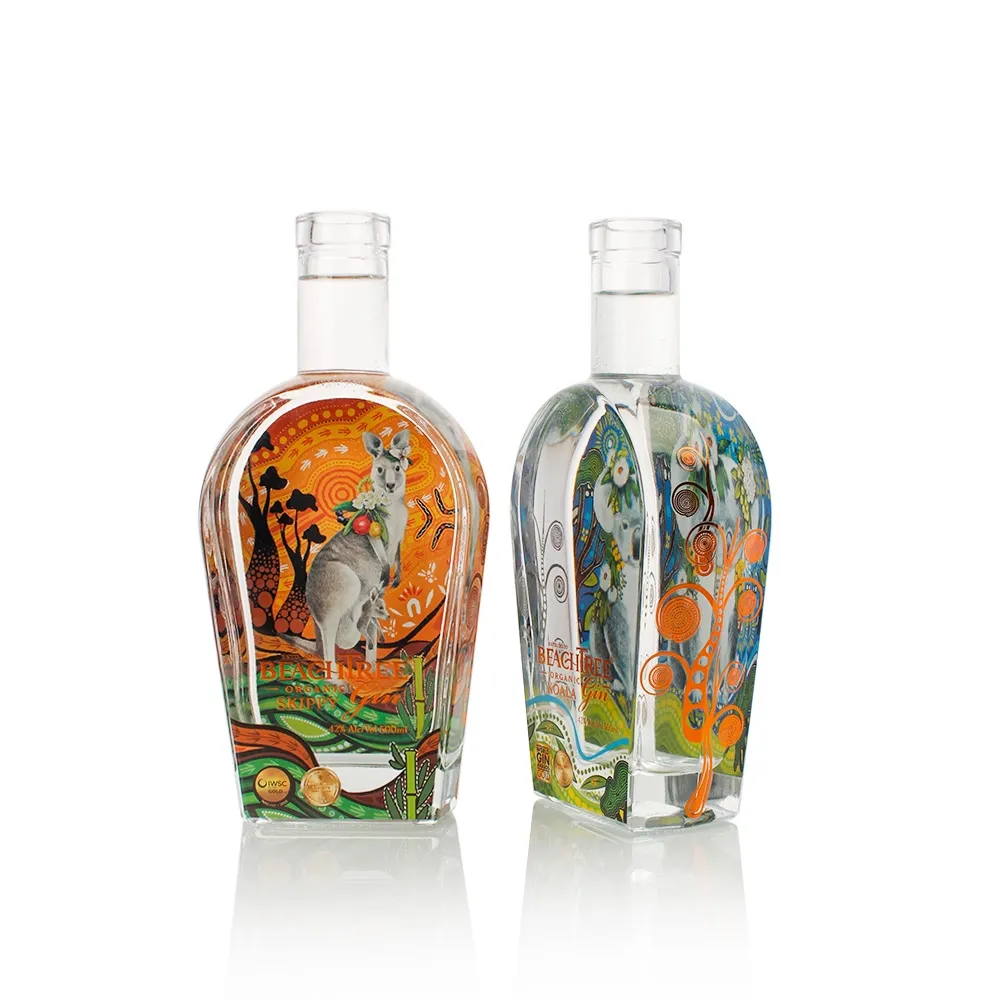
Depending on the product, buyers may consider:
Frosting
Frosted glass can create a soft, premium appearance.
Spray Coating
Colored or matte coatings can be used to create a specific brand identity.
Printing
Glass bottles can be decorated with printed logos, graphics or other information.
Electroplating
Electroplated components can be used for premium decorative effects, particularly on closures or other packaging components.
Embossing and Debossing
Logos, patterns and other details can be incorporated into the glass mold itself.
When planning decoration, buyers should consider required surface area, logo dimensions, number of colors, positioning, durability, production quantity and packaging requirements
Decoration should ideally be discussed during the bottle development stage rather than added at the very end.
8. What Should You Consider When Buying Glass Bottles in Bulk?
Buying glass bottles in bulk involves more than comparing unit prices.
Before placing an order, buyers should evaluate at least the following:
Item What to Confirm
- Capacity --- Nominal and overflow capacity
- Dimensions --- Height, diameter and critical dimensions
- Weight --- Target bottle weight and tolerance
- Neck finish --- Compatibility with the closure
- MOQ --- Minimum production quantity
- Mold --- Existing mold or new mold
- Decoration --- Printing, coating, frosting, etc.
- Quality control --- Inspection standards and testing
- Packaging --- Cartons, pallets and protection
- Lead time --- Sampling and mass production
- Shipping --- Container loading and transportation requirements
Don't Focus Only on Unit Price
A supplier offering the lowest unit price may not necessarily provide the lowest overall purchasing cost.
For example, a lower-priced bottle could have:
●Higher breakage rates
●Less efficient packaging
●Longer production times
●Poor closure compatibility
●Higher shipping costs
A better approach is to evaluate the total packaging cost.
This can include: Bottle + closure + decoration + mold + packaging + transportation + quality control
9. What Information Does a Glass Bottle Manufacturer Need?
One of the easiest ways to speed up a quotation is to provide the manufacturer with clear product information.
You do not necessarily need a perfect technical drawing.
A manufacturer can often start the discussion using a reference bottle, product photos, a sketch, approximate dimensions, a 3D rendering, an existing technical drawing and a physical sample
However, the more information you provide, the easier it is to evaluate the project.
Basic Product Information is the bottle specifications, decoration requirements, closure requirements.
10. What If You Don't Have a Technical Drawing?
This is a common situation for new brands.
You may have a bottle you like but no engineering drawing.
That's not necessarily a problem. You can provide a physical sample, photos, a sketch, a 3D rendering and basic dimensions.
The supplier can then help evaluate mold feasibility and closure compatibility.
11. Stock Glass Bottles vs. Custom Glass Bottles
Choosing between stock and custom glass bottles depends on your business requirements.
Stock Bottles May Be Better When:
●You need a faster launch
●Your quantity is relatively small
●You want to minimize tooling costs
●A standard shape is acceptable
●You want to test the market first
Custom Bottles May Be Better When:
●Packaging differentiation is important
●You want a unique brand identity
●You need a specific bottle shape
●You want custom embossing
●You have sufficient production volume
●You want the bottle designed around your product
Neither option is universally better.
The right choice depends on volume, budget, timeline and branding requirements.
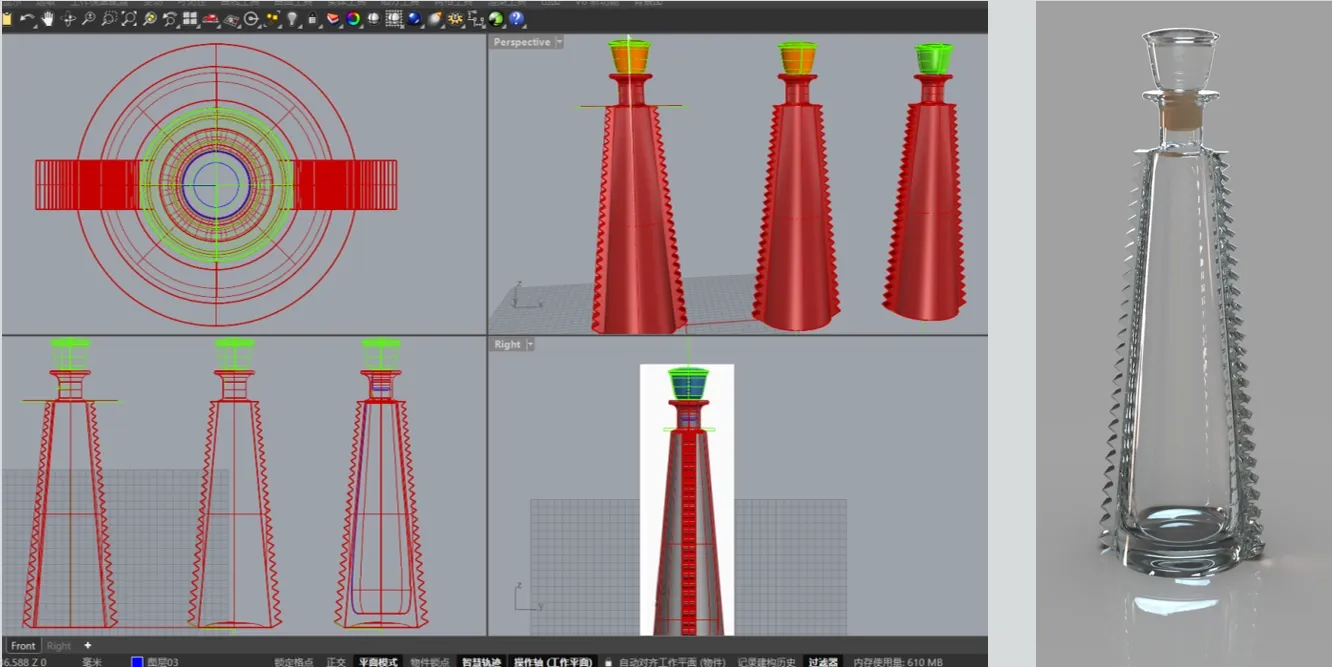
12. Understand MOQ and Mold Requirements
MOQ stands for Minimum Order Quantity.
For glass bottle projects, MOQ can depend on:
●Existing or new molds
●Bottle weight
●Production efficiency
●Decoration requirements
●Factory production planning
●Annual demand
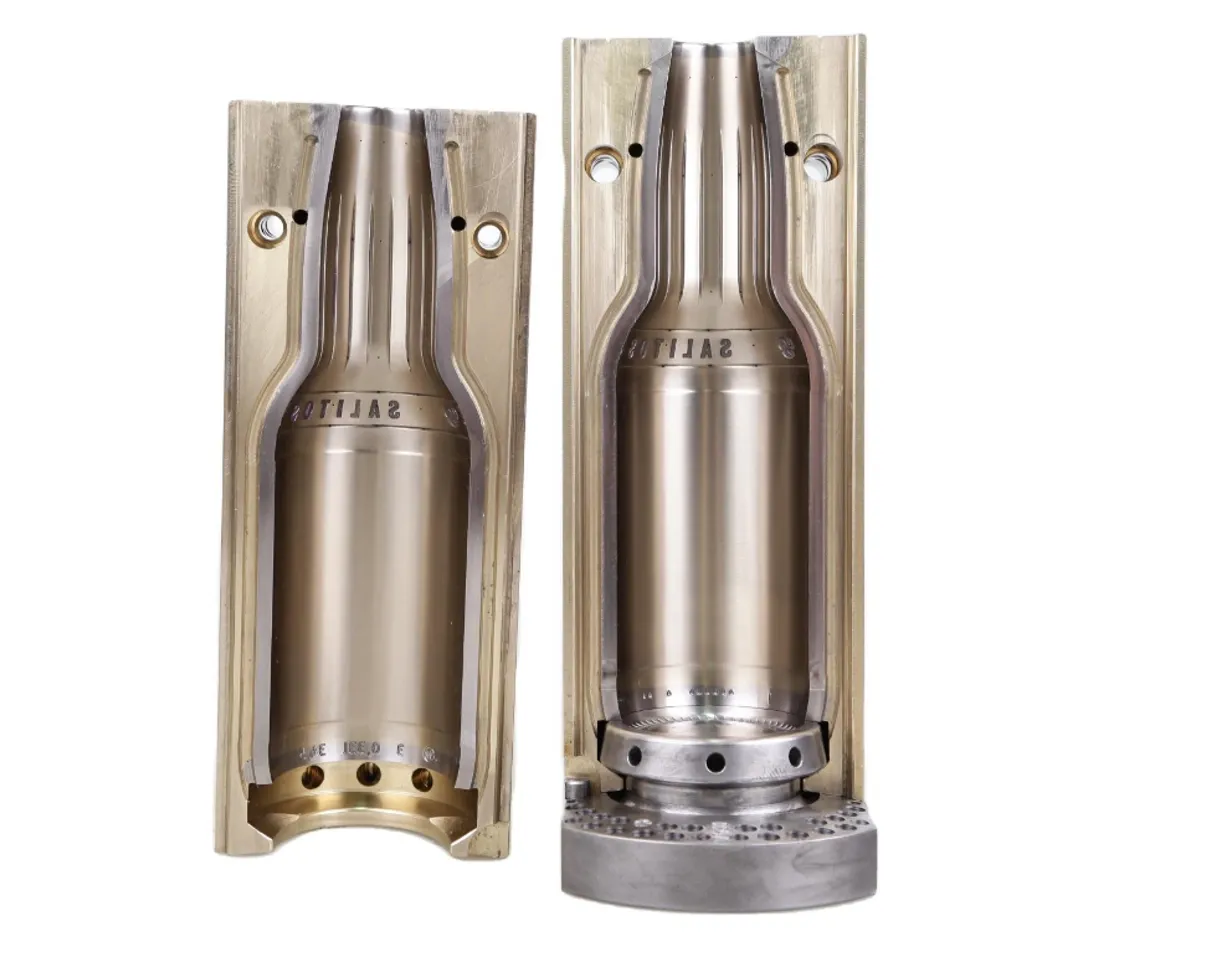
If you are developing a completely new bottle, the mold may represent an additional initial investment.
Existing Mold
Using an existing mold can help reduce development time and tooling costs.
New Mold
A new mold allows greater design freedom but may require:
●Technical drawings and 3D design
●Mold development and Sample production
●Testing and Design adjustments
●Final approval
For this reason, buyers should clarify mold requirements before calculating the total project cost.
13. Don't Skip Sample Approval
Before mass production, samples should be carefully evaluated.
Depending on the project, check:
Appearance
To check shape, color, surface finish, printing, coating and embossing.
Dimensions
Tp check height, diameter, neck dimensions, capacity and weight.
Functional Performance
To check closure fit, leakage, filling compatibility, stability and transportation requirements
For customized bottles, sample approval is particularly important because changes become more difficult and expensive after mass production begins.
14. Glass Bottle Quality Inspection
Quality control should be considered before placing an order.
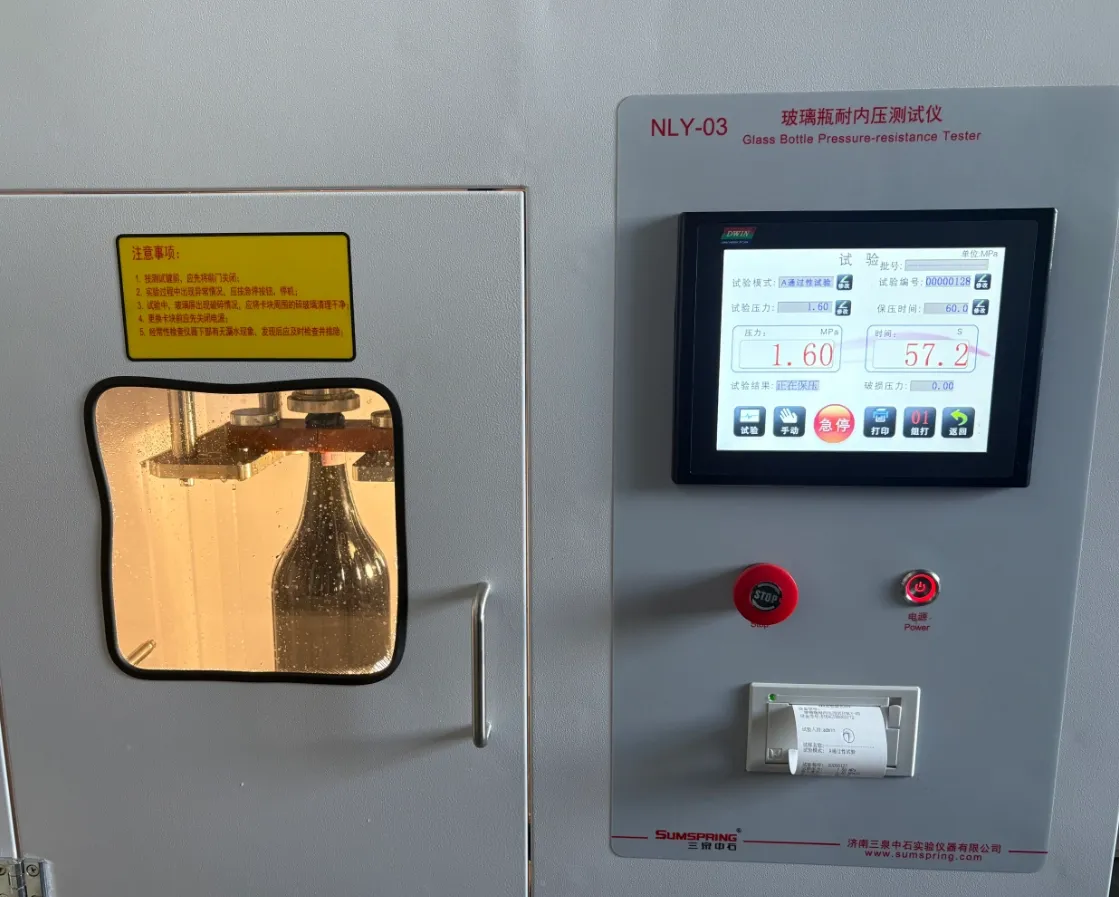
Typical inspection points can include bottle dimensions, weight, capacity, glass appearance such as air bubbles, stones, cracks or scratches, seam lines, neck dimensions, verticality, closure fit to prevent leakage, pressure resistance, thermal shock performance and decoration quality.
Not every product requires exactly the same testing program.
The appropriate inspection criteria should be established according to the bottle design and intended application.
15. Frequently Asked Questions
A: What is the best glass bottle size for spirits?
Q: There is no single best size for every spirits brand. Common commercial sizes include 500ml, 700ml, 750ml and 1000ml. The appropriate size depends on your target market, regulations, product positioning and sales channel.
A: How much does a custom glass bottle cost?
Q: The cost depends on factors such as bottle weight, capacity, design complexity, mold requirements, decoration, order quantity, packaging and shipping. A supplier normally needs project specifications before providing an accurate quotation.
A: What is the MOQ for custom glass bottles?
Q: MOQ varies between projects and suppliers. Custom bottles generally require higher production quantities than some stock bottles because of mold development and production setup.
A: How long does custom glass bottle production take?
Q: The timeline depends on whether an existing mold can be used or a new mold must be developed. Custom projects normally require time for design, mold development, sample approval and mass production.
A: Can I customize the shape of a glass bottle?
Q: Yes. Custom glass bottles can be developed around specific shapes, dimensions, embossing and other design requirements, subject to manufacturing feasibility.
A: Can I order bottles and closures from the same supplier?
Q: Yes. Combining bottles and closures can simplify compatibility and packaging development, especially for spirits and premium beverage projects.


